
Hellverine Resurrection: A Hellish Ride Through Chaos and Destruction
Hellverine: Resurrection is writen by Benjamin Percy, and the artist is Julius Ohta. Additionally, Frank D’Armata is credited as the color artist.
Hellverine’s power, derived from a demonic entity and hellfire, has a significant impact on its surroundings, often manifesting as fire and destruction.
- Hellfire: Hellverine is fueled by hellfire, which is a prominent visual element associated with the character. This fire is not just a visual effect; it is an active force, engulfing Hellverine and emanating from its body, including its head. The hellfire can also spread, such as when Hellverine is riding his motorcycle.
- Destruction: Hellverine’s powers also cause destruction to its surroundings. This includes breaking through objects, destroying vehicles, and causing chaos in the immediate area. For instance, Hellverine is shown smashing through glass, causing vehicles to crash, and generally creating a path of destruction in its wake.
- Demonic Energy: The demonic energy that is the source of Hellverine’s powers manifests in a way that is harmful to living things.
- Punishment of Evil: Hellverine is driven to punish evil. The impact of its powers is therefore not indiscriminate but is primarily directed at those it perceives as evil or deserving of punishment.
- Hellfire-fueled weaponry: The sources indicate the existence of a “Project Hellfire” that has created weaponry using the technology of the underworld that causes “violence, pain, horror, fear”. These weapons include chains, bombs, and other tools imbued with hellfire, which are used to inflict harm.
- Visual Representation: In the panels, Hellverine’s destructive power is often depicted using black and white tones, contrasted with the fiery and chaotic hellfire around it. The use of sharp lines, dynamic compositions, and contrasting dark and light areas further enhances the sense of chaos and impact that Hellverine has on the environment.
Hellverine’s powers are visually represented by the presence of hellfire and result in the destruction of its immediate environment. Its destructive power is channeled towards evil, using weapons and demonic energy that amplify its effects.
Hellverine: Resurrection unleashes a torrent of hellfire and vengeance upon its readers, offering a dark and intense narrative that pushes the boundaries of the Wolverine character. This comic plunges into a nightmarish world where demonic possession and hellish transformations reign. This review will explore the key themes, visual elements, and narrative threads that make this series a unique and compelling addition to the Marvel universe.
From Wolverine to Hellverine: A Demonic Transformation
The core of Hellverine: Resurrection lies in the transformation of Wolverine into the demonic entity known as Hellverine. This transformation isn’t merely a physical alteration; it represents a profound shift in character, motivation, and power. Wolverine, a character known for his healing factor and adamantium claws, is now a vessel of hellfire, driven by an insatiable need to punish evil. This is a departure from the familiar, and it works to create something new and exciting. The story begins with Wolverine’s encounter with Bagra-ghul, a demon who had possessed a young boy, using his body as a vessel to transform innocents into “horrors” using hellfire. Although Wolverine was able to reject the demon, he didn’t destroy it, and now Bagra-ghul is free. This encounter leaves a lasting mark, transforming Wolverine into the vengeful Hellverine, described as the “ultimate killing machine”. The transformation is not a smooth or clean one. Akihiro, who is also known as Daken and Wolverine’s son, is briefly possessed by Bagra-ghul, and his body is used to create the new form of Hellverine. This merging of beings makes Hellverine a complex character. The demon has instilled in him a hunger, a need to punish, and also leaves behind the feeling that he is no longer fully himself. Hellverine’s memories are hidden behind locked doors, and although he feels pain, there is confusion about what has happened to him. He has become something other than what he was before.
Visual Spectacle: Hellfire and Destruction
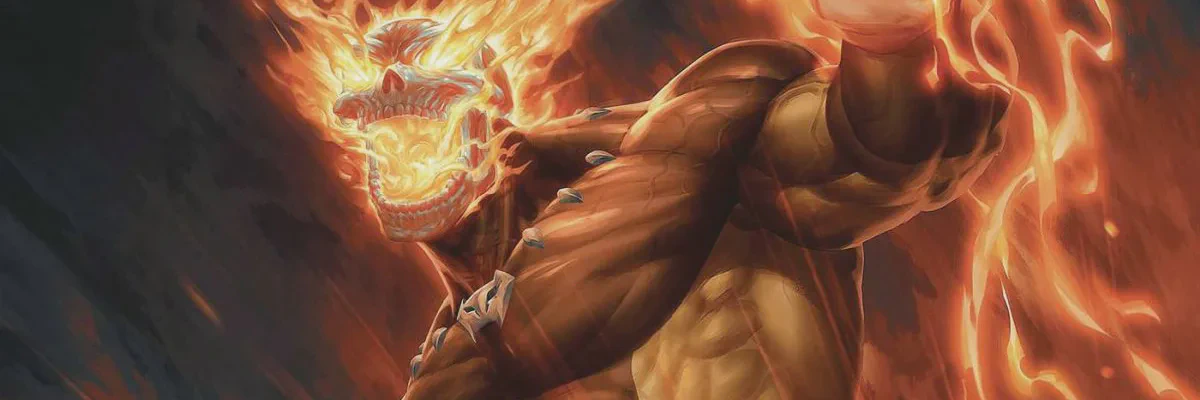
The artwork by Julius Ohta, complemented by Frank D’Armata’s colors, is a major strength of Hellverine: Resurrection. The visual style is a fitting complement to the dark themes explored in the series. The use of stark blacks, whites, and grays heightens the dramatic tension, while the dynamic linework adds to the sense of constant movement and chaos. The hellfire that engulfs Hellverine is rendered in a chaotic and aggressive manner, making it clear this is a force that is to be feared. This hellfire isn’t just a background visual; it is a fundamental element of Hellverine’s being, emanating from its body, including its head, and spreading like a wildfire.
- Dynamic Composition: The layouts in Hellverine: Resurrection utilize a variety of perspectives, angles, and panel arrangements, which all contribute to the visual storytelling. The action sequences are rendered with a sense of speed and force.
- Character Designs: Both Hellverine and the other characters are depicted in a style that is consistent with the dark tone of the comic. Hellverine has a flaming skull-like head, which visually marks it as a creature of hell.
- Variant Covers: The series includes a variety of variant covers that emphasize different aspects of the story and Hellverine’s unique visual characteristics. Some covers use a more traditional comic book style, while others experiment with graphic designs, further adding to the overall visual impact of the series. The visual representation of hellfire and demonic energy underscores the corrupting influence of Bagra-ghul and the profound changes that have occurred in Wolverine. This is more than just a cosmetic change; it is a transformation that affects how Hellverine interacts with the world, emphasizing its destructive and vengeful nature.
Thematic Depths: Vengeance, Corruption, and the Nature of Evil
Hellverine: Resurrection delves into several complex thematic areas:
- Vengeance: Driven by his new demonic nature, Hellverine’s primary motivation is to punish evil. This theme permeates every aspect of the story, from its interactions with villains to the destructive path it leaves in its wake. The vengeance is not just a blind rage; there’s a sense of purpose behind his actions, as he seeks to bring retribution to those he deems guilty.
- Demonic Corruption: The demonic influence on Wolverine highlights the corrupting power of the demonic and the struggle to maintain one’s identity when possessed by evil. This theme is explored in multiple ways, from Hellverine’s physical transformation to the loss of memories and feelings.
- The Nature of Evil: The series doesn’t just present a clear dichotomy between good and evil. The characters are often depicted in shades of gray, with complex motivations that blur the line between hero and villain. The series asks the reader to think about what is evil, who gets to decide, and what punishment is fitting for the crime.
- The Consequences of Power: Hellverine’s immense power comes at a high price, as it results in widespread destruction and fear. The story reflects on the moral implications of wielding such power and the responsibility that comes with it.
- The Battle Within: Hellverine’s internal conflict is an important theme. While driven by the demonic power, Wolverine still struggles with the idea that he is compelled to punish and that he cannot control his actions. This struggle makes the character both terrifying and relatable.
Narrative Structure: Pacing, Plot, and Character Dynamics
Hellverine: Resurrection is not just an action-packed spectacle; it is a story with careful plotting and character dynamics:
- Pacing: The pacing of the story is balanced between action-packed sequences and moments of introspection. The narrative moves with speed, propelling the reader forward with new information and dramatic developments.
- Plot Threads: Multiple plot threads are woven throughout the series, including the origins of Hellverine, the ongoing threat of Bagra-ghul, and the introduction of Project Hellfire. These threads add depth to the narrative, keeping the reader engaged and invested in the overarching story.
- Character Interactions: The character dynamics in the series are complex and interesting. From encounters with other heroes to the introduction of new villains and adversaries, each interaction helps develop the character of Hellverine and highlight the scope of the challenges he is facing.
- Hellfire-fueled enemies: The series introduces the idea of “Project Hellfire,” which is using underworld technology to create weapons and warriors that are empowered by hellfire. This program creates hellish versions of soldiers, and other warriors such as the Hellfire Chain, the Hellfire-Arm, the Hellfire Eye, and the Hellfire Mouth.
Key Events and Moments
- Arlington National Cemetery: One of the most striking sequences in the comic is set at Arlington National Cemetery, where a group of soldiers and their families are ambushed. This scene underscores the themes of vengeance and corruption, as well as the idea that evil is everywhere.
- Hellverine vs. Destroyers: The conflict between Hellverine and the Destroyers is a core element of the action within the comic. The Destroyers are hellfire-fueled beings that are capable of challenging even Hellverine, and they cause widespread destruction. The battles highlight Hellverine’s power, as well as the extent of the corruption within the world the story creates.
- The Role of the US Government: In Hellverine: Resurrection, there is a strong link to the US government. The program, “Project Hellfire,” is a government project, and various governmental officials are involved, even to the extent of being possessed. This element of the story highlights the way power can be used for both good and evil purposes, and also serves to create a feeling of realism, in spite of the fantastical elements.
- The Attempt to Return to Logan: In the end, Hellverine, in spite of its demonic influence, is searching for a way to return to its original identity as Logan. The character uses its powers on another body, trying to bring Logan back, and even allows the demon to consume him for a while, believing it will allow him to be free. The ending creates a desire in the reader for more story and a conclusion that leaves the future of this character up to speculation.
Strengths and Weaknesses
Hellverine: Resurrection boasts several strengths:
- Creative Narrative: The concept of transforming Wolverine into a demonic entity is a creative twist that breathes new life into a well-established character.
- Stunning Art: The artwork is exceptionally well-done, enhancing the dramatic tension and chaos of the story with dynamic panels, dark themes, and memorable character designs.
- Thematic Depth: The exploration of vengeance, demonic corruption, and the nature of evil adds layers of complexity to the narrative.
- Unique Pacing: The pacing of the story is well-balanced, creating a comic that is both intense and compelling. However, the series also has some minor weaknesses:
- Complexity: The story involves complex themes and multiple characters which may be overwhelming for readers unfamiliar with Wolverine or the specific mythology used within the series.
- Pacing: While the pacing is good, some plot points could have been explored in greater depth, which might have enhanced the story.
Conclusion
Hellverine: Resurrection is a standout comic series that delivers on its promise of hellish action, demonic transformations, and complex themes. Benjamin Percy and Julius Ohta have created a unique and memorable story that pushes the boundaries of the Wolverine character while exploring the dark side of the Marvel Universe. The combination of dynamic artwork, creative narrative, and thought-provoking themes makes this series a must-read for fans of dark fantasy and comic book action. The series explores the depths of demonic corruption and the nature of vengeance, leaving the reader with a sense of dread and also a desire for more of the story of the hellish and fiery character, Hellverine .
comments powered by Disqus